From Grass to Glory: How Americans Are Letting Their Yards Go Beautifully Wild
There's a particular kind of pride that used to come with a perfectly manicured lawn. Edges crisp, grass a uniform green, not a dandelion in sight. For decades, that was the American suburban dream in miniature — control, order, and a whole lot of weekend labor to maintain it.
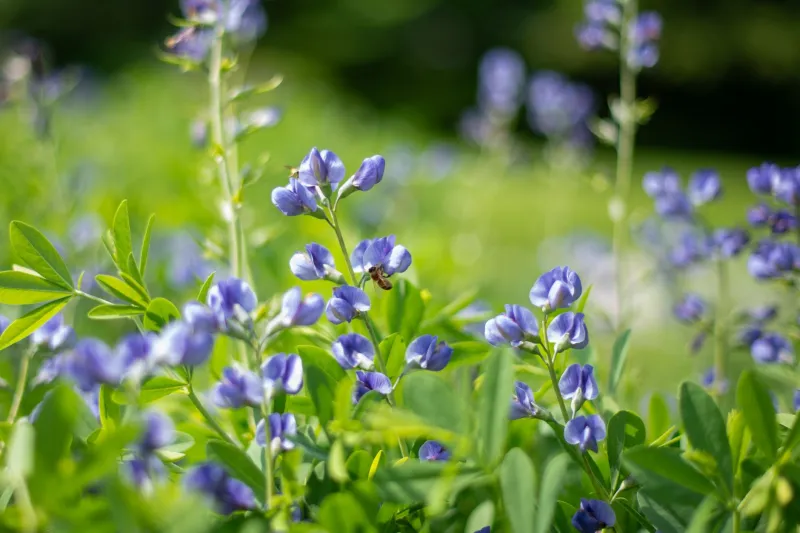
But something is shifting out there beyond the white picket fences. Drive through neighborhoods in Portland, Austin, Minneapolis, or Raleigh these days and you'll start noticing yards that look a little different. A little wilder. Maybe a front yard full of tall grasses and black-eyed Susans instead of Kentucky bluegrass. Maybe a corner bed that seems to be doing exactly what it wants. Maybe a small wooden sign that says "Pollinator Habitat" staked near a patch of milkweed.
Welcome to the suburban rewilding movement — and it's growing faster than most people realize.
Why the Perfect Lawn Lost Its Appeal
Let's be honest: traditional lawns are kind of a nightmare if you think about them too hard. The average American household spends around $500 a year on lawn care, not counting the time investment. Conventional grass lawns require enormous amounts of water — up to 9 billion gallons per day across the US, according to the EPA. Add in the fertilizers, herbicides, and gas-powered equipment, and you've got a lot of resources going toward something that offers almost nothing back to the environment.
No food for pollinators. No shelter for birds. No support for the local insect population that entire food chains depend on.
Entomologist Doug Tallamy, whose book Bringing Nature Home has become something of a bible for the rewilding crowd, has been making this case for years. His research suggests that conventional landscaping has contributed to dramatic declines in native insect populations, which ripples all the way up to songbird numbers. The lawn, as it turns out, is one of the largest monoculture crops in the United States — and one of the least ecologically useful.
That's a hard truth to sit with when you're standing in your backyard on a Sunday afternoon.
What Rewilding Actually Looks Like
Here's where people sometimes get the wrong idea. Rewilding your yard doesn't mean abandoning it. It doesn't mean letting everything go to seed and hoping for the best. It's actually a pretty intentional process — just one that works with nature instead of against it.
Landscape designer Maya Okonkwo, who works with homeowners in the Chicago area, describes it this way: "We're not talking about neglect. We're talking about replacing one kind of effort with a smarter kind of effort. You're choosing plants that belong here, that evolved here, that know how to take care of themselves once they're established."
For most beginners, that means starting with native plants — species that are indigenous to your specific region of the country. In the Midwest, that might be coneflowers, prairie dropseed, and wild bergamot. In the Southeast, you're looking at things like beautyberry, switchgrass, and native azaleas. Out West, California poppies, buckwheat, and native bunch grasses do the heavy lifting.
These plants are adapted to local rainfall patterns and soil conditions, which means they typically need far less water and zero fertilizer once they're in the ground. And because local insects evolved alongside them over thousands of years, they become instant habitat — feeding caterpillars, sheltering bees, and offering birds a reliable food source.
Getting Started Without Getting Overwhelmed
If you're standing in your backyard right now thinking "okay but where do I even begin," you're not alone. The good news is you don't have to overhaul everything at once.
Start with one patch. Pick an area — even just a 4x4 section — and commit to converting it. Remove the turf grass, loosen the soil, and plant a small cluster of native perennials. Most local native plant nurseries can point you toward species that work for your zip code. The Lady Bird Johnson Wildflower Center's plant database is also a fantastic free resource.
Let some things go to seed. Resist the urge to cut everything back in fall. Those dried seed heads feed birds through winter, and hollow stems provide overwintering habitat for native bees. It looks a little scruffier, sure, but it's doing real work.
Add a water source. Even a simple shallow dish of water can support pollinators and birds. If you want to go bigger, a small rain garden or even a half-barrel water feature can dramatically increase your yard's biodiversity.
Talk to your neighbors. Seriously. Some municipalities have outdated ordinances about lawn height or "weeds" that can create friction. But community buy-in changes things quickly. Several neighborhoods across the country have started coordinated rewilding efforts, turning entire blocks into connected habitat corridors.
The Bigger Picture Growing in Your Backyard
What makes this movement genuinely exciting isn't just the environmental math, though that's compelling enough. It's the way it changes your relationship with your outdoor space.
People who've made the switch talk about it almost like a mindset shift. Instead of fighting their yard into submission every weekend, they're watching it. Learning it. Noticing when the monarchs show up in September, or which corner the goldfinches prefer, or how the native grasses move differently in the wind than anything they've planted before.
There's something deeply rooted (pun fully intended) about that kind of attention. It connects you to place in a way that a uniform carpet of grass just can't.
Your yard doesn't have to be perfect to be powerful. It just has to be alive.
And right now, across millions of American backyards, that idea is taking hold — one milkweed plant at a time.