Stop Trying to Bloom in January: The Case for Living by Nature's Calendar
Somewhere around the second week of January, millions of Americans are already behind.
Not behind on their actual lives, necessarily. But behind on the version of their lives they announced loudly to the internet on December 31st. The new habit streaks are wobbling. The 5 a.m. wake-ups feel increasingly delusional. The vision board is still leaning against the wall, not quite hung up yet.
And here's the cruel joke: January is arguably the worst possible time to launch a full personal reinvention. It's cold. It's dark. The days are still brutally short. Every living thing in the natural world — the trees, the bears, the bulbs buried underground — is in a state of deep, deliberate rest.
But we're out here trying to sprint.
The Myth We Bought Into
Hustle culture has done a masterful job of convincing us that rest is failure in disguise. That stillness is laziness wearing a comfortable sweater. The productivity industrial complex — the apps, the planners, the motivational content — is largely built on the premise that you should be optimizing every single day, every single season, every single year.
The problem is that this model has no basis in the natural world. None. Zero. A forest doesn't try to produce leaves in December. A river doesn't apologize for running slower in a dry August. The natural world operates on cycles — expansion and contraction, effort and recovery, growth and dormancy — and it does so with zero guilt.
We are part of that natural world, whether our schedules acknowledge it or not.
I'm not suggesting we all hibernate from November through March (though honestly, some days). What I am suggesting is that the relentless pressure to perform at the same level year-round is working against something fundamental in us — something that, if we're being honest, we can feel.
What the Seasons Are Actually Telling Us
Spend a little time paying attention to how nature actually moves through a year, and a pretty clear framework starts to emerge — one that maps onto human psychology in ways that feel almost embarrassingly obvious once you notice them.
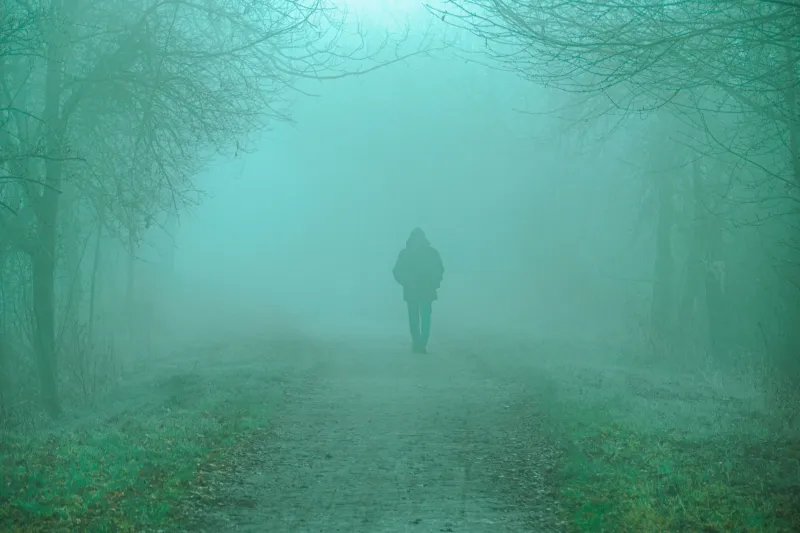
Winter is the season of stillness and internal work. The trees aren't dead; they're conserving. Energy is being held close, roots are quietly deepening, and the whole system is preparing for something it can't yet show. For us, this might look like reflection, journaling, slow reading, honest conversations with yourself about what you actually want — not what you think you should want.
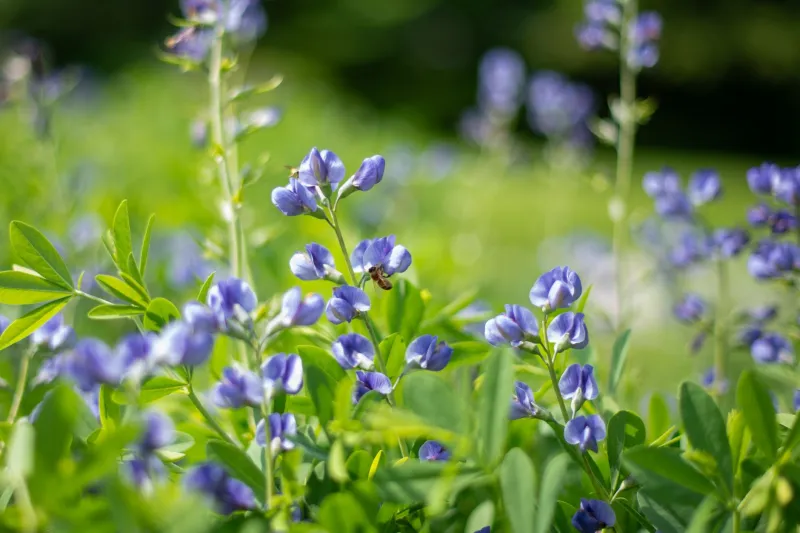
Spring is the season of tentative, energized beginnings. Not full-tilt launching, but testing. A seedling doesn't burst out of the ground fully formed. It sends up one small shoot and waits to see how the light hits. This is the time to start things — new projects, new habits, new directions — with curiosity rather than intensity.
Summer is for doing. Full energy, long days, sustained effort. This is when you push, when you build, when you put in the work that winter quietly planned and spring cautiously started. It's also the season most of us are already pretty good at honoring — because our culture never stops celebrating it.
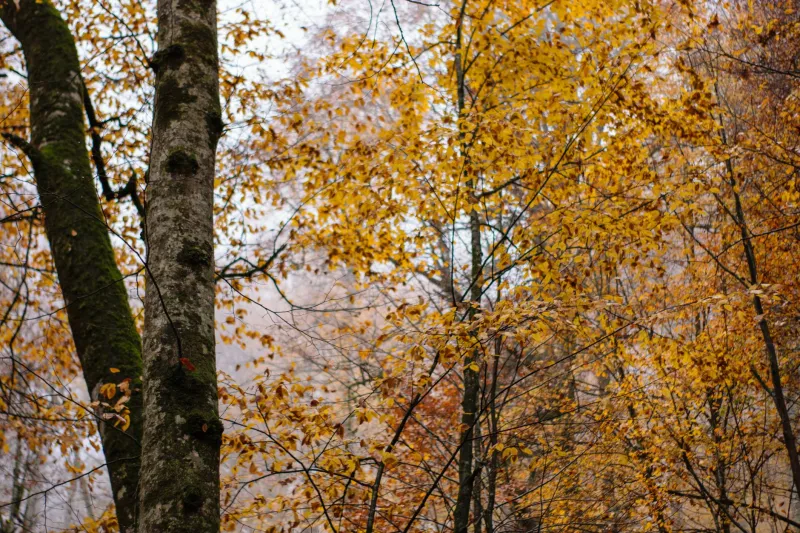
Fall is for harvesting and releasing. You take stock of what the effort produced. You celebrate what worked. And critically, you let go of what didn't — the projects that didn't pan out, the goals that turned out to belong to someone else's life. Fall is the season of honest editing, and it's one most of us rush through on our way back to another frantic January.
This Isn't an Excuse to Do Nothing
Let's be clear about something, because this kind of thinking can get misread pretty quickly: aligning with seasonal rhythms isn't a philosophy of avoidance. It's a philosophy of timing.
A farmer who understands seasons doesn't work less than one who ignores them. They often work smarter — planting when the soil is ready, harvesting at peak ripeness, using the quiet months to maintain tools and plan for next year. The output can actually be greater because the effort is better placed.
The same logic applies to your life. Strategic rest isn't wasted time. It's an investment in the quality of the effort that follows. Athletes know this. Musicians know this. Anyone who has ever burned themselves completely out and then stared blankly at a screen for three weeks knows this.
The question isn't whether to rest. It's whether you're willing to rest on purpose, with intention, rather than only collapsing when you have no other choice.
A Few Ways to Actually Do This
If this resonates and you want to start living a little more in rhythm, here are some entry points that don't require you to quit your job and move to a cabin:
Do a quarterly review instead of (or in addition to) a yearly one. Every three months, ask yourself: What season am I in right now? What does this phase of my life actually call for? Adjust accordingly.
Protect your rest seasons. If you notice that you naturally slow down in late fall or early winter, stop fighting it. Build that into your planning. Tell people you're in a quieter season. The world will not collapse.
Notice what blooms when. You probably already have natural rhythms — times of year when you feel more creative, more social, more introspective. Start mapping them. Over a year or two, patterns will emerge that are more useful than any productivity system you can buy.
Give yourself permission to not be in summer all the time. This one's harder than it sounds. But it might be the most important shift of all.
Rooted in Something Real
Big trees don't grow by straining upward every single day. They grow in pulses — seasons of rapid expansion followed by seasons of consolidation, where the growth that happened gets reinforced and made permanent.
Maybe that's the better model. Not the relentless grind, but the patient pulse. Not constant blooming, but the deep confidence of a root system that knows spring is coming — and isn't in a panic about January.
You don't have to bloom right now. Sometimes the most powerful thing you can do is simply stay rooted and wait for the right season.
It'll come.