What Bare Branches Already Know: The Case for Letting Yourself Go Dormant This Winter
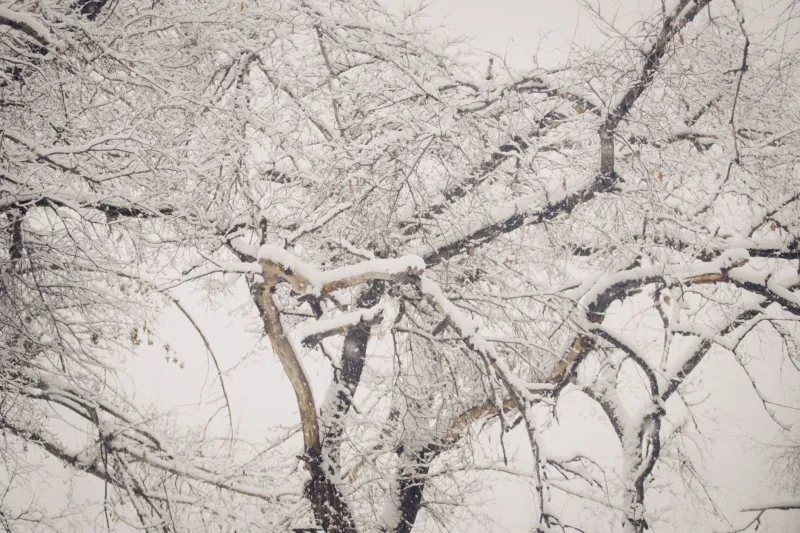
Somewhere right now, a massive oak is doing absolutely nothing. No new growth. No visible hustle. Just standing there, bare and still, while the cold does its thing. And honestly? That oak is playing a smarter long game than most of us.
We live in a culture that treats rest like a character flaw. The grind doesn't stop for the holidays. Productivity podcasts don't take January off. And somewhere along the way, we absorbed this idea that slowing down means falling behind — that stillness is just a polite word for giving up.
But trees have been running a completely different operating system for hundreds of millions of years. And their winter strategy isn't weakness. It's engineering.
What Dormancy Actually Does (It's Not What You Think)
When a deciduous tree drops its leaves in autumn, it isn't dying. It's making a calculated decision. The tree senses the shorter days and cooling temperatures and begins pulling nutrients — particularly nitrogen and phosphorus — back from its leaves before letting them fall. Nothing is wasted. Everything is stored.
Below the surface, the tree's root system keeps working quietly. Water uptake slows, but doesn't stop entirely. The tree is consolidating, reinforcing, preparing. Scientists have found that the cold temperatures of winter dormancy are actually required for many trees to bloom properly in spring. Skip the cold, and the bloom either doesn't come or arrives weak and scattered.
There's a name for this in horticulture: vernalization. The idea that exposure to cold is a prerequisite for flowering. Not a delay. A requirement.
Let that sit for a second.
The Burnout Trap Nobody Talks About
American hustle culture has a very specific blind spot. It celebrates the sprint and ignores the ecosystem. We optimize for output quarter by quarter, year by year, but rarely ask what biological and psychological conditions actually produce sustained creativity and ambition over a lifetime.
The data isn't kind to the always-on approach. Research from the American Psychological Association consistently links chronic overwork with declining cognitive function, reduced problem-solving ability, and — here's the kicker — lower long-term productivity. You don't outwork burnout. You just delay and deepen it.
What's missing from the conversation isn't another productivity hack or a better morning routine. It's permission to actually stop. Not slow down. Stop. To enter something that functions like dormancy.
And no, a two-week vacation where you check Slack twice a day doesn't count.
The Difference Between Rest and Dormancy
This is where most wellness advice gets it wrong. Rest is passive. Dormancy is strategic.
When a tree goes dormant, it isn't just sitting there. It's running a whole internal operation — repairing cellular damage, redistributing stored energy, building cold-hardiness in its tissues. The appearance of stillness conceals genuine biological work. The tree is getting ready for something.
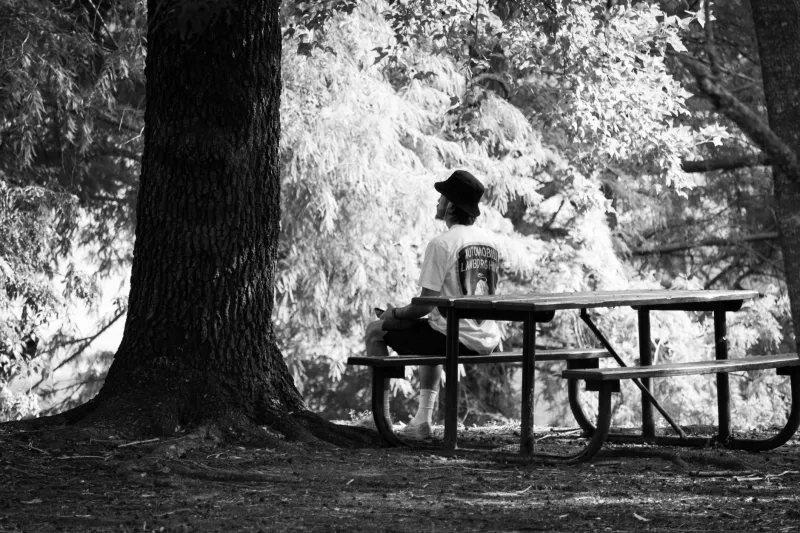
Strategic human dormancy works the same way. It's not binge-watching TV for three months while your ambitions collect dust. It's creating the conditions where your subconscious can process, integrate, and generate. It's letting your nervous system recover its baseline. It's reading widely without a goal. Walking without a podcast. Sitting with unresolved questions instead of forcing answers.
Creative professionals have known this forever, even if they didn't have the language for it. Writers call it "filling the well." Musicians talk about needing to live before they can write. Athletes build rest cycles into peak performance training. The science of periodization — alternating intense effort with genuine recovery — is well established in sports. We just haven't applied it to knowledge work or personal ambition in any serious way.
Practical Ways to Actually Do This
So what does a real dormancy period look like in practice? A few ideas worth trying:
Define an end date. Trees don't stay dormant forever — spring comes. Give your rest period a container. Six weeks, ten weeks, whatever fits your life. Knowing it ends makes it easier to actually rest instead of anxiously monitoring whether you're resting correctly.
Protect your inputs. During dormancy, trees aren't taking in new growth — they're consolidating what they have. Try dramatically reducing your information intake. Less news, fewer newsletters, fewer podcasts telling you what to think. Let what you already know settle and connect.
Stay rooted, not frozen. Dormant trees still maintain their root systems. You can stay connected to people, to your values, to your long-term direction — without actively producing or performing. Dormancy isn't isolation. It's just a change in what you're prioritizing.
Let the cold do its work. Some things only get resolved by time and discomfort. If you're sitting with a hard decision, a creative block, or a sense that something needs to change — winter might be exactly the right time to not force it. Trust the vernalization.
Notice what comes back naturally. When spring does arrive — when your energy returns and curiosity starts pulling you forward again — pay attention to what you reach for first. That's often the clearest signal about what actually matters to you, stripped of obligation and performance.
Reframing the Stakes
Here's the thing about a hundred-year-old tree: it got that old by surviving dozens of winters. Not by powering through them. Not by pretending the cold wasn't happening. By responding to the season with the right behavior for that season.
Your ambition isn't a machine that runs on effort input and produces output in a straight line. It's more like a living system — complex, cyclical, dependent on conditions. And just like the oak standing bare in your backyard right now, it has seasons.
Ignoring that doesn't make you more productive. It just means you're trying to bloom without ever letting yourself get cold.
The hustle culture version of you might look at a dormant tree and see failure. But any forester will tell you — a tree that skips dormancy is a tree in trouble. The rest isn't the problem. The rest is the strategy.
So if you've been feeling the pull toward stillness this winter, maybe that's not laziness talking. Maybe that's something older and smarter than any productivity system you've ever tried.
Listen to it.